
Cairo Santos and the Kansas City Chiefs: The Brazilian Kicker Who Started It All
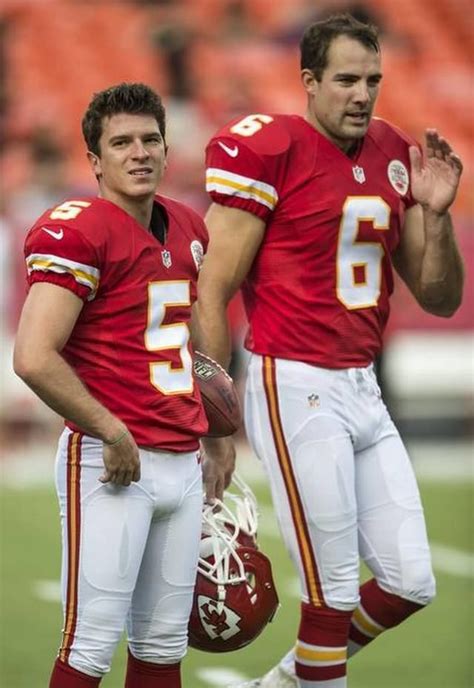
On September 7, 2014, a 22-year-old from Limeira, São Paulo kicked a field goal in Nashville and became the first Brazilian-born player in NFL history. He was wearing red. He hadn’t been drafted. And three weeks earlier, he’d beaten out a veteran kicker most people assumed would just keep the job.
That’s the setup. The story of Cairo Santos with the Kansas City Chiefs is short – three full seasons and part of a fourth – but it’s genuinely worth knowing if you’re trying to understand how the Chiefs got from Santos to Harrison Butker, one of the most accurate kickers the franchise has ever had.
From São Paulo to St. Augustine to Kansas City
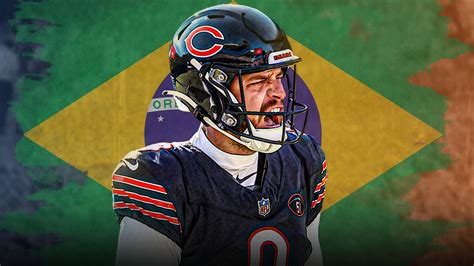
Santos grew up playing soccer. His heroes were Neymar, Ronaldinho, and Ronaldo. He had no reason to think about the NFL. Then, at 16, he came to St. Augustine, Florida as a foreign exchange student at St. Joseph’s Academy, planning to stay one year, learn English, and go home.
His host brother Tyler Burnett asked him one afternoon to kick a football down the street. Santos split it clean. That was basically the whole audition.
He stayed. Earned a scholarship to Tulane University, where he played from 2010 to 2013. By his senior year he was named a consensus All-American, won the Lou Groza Award – given annually to the nation’s best college placekicker – and went 21-for-21 on field goals with a school-record 57-yarder. The Chiefs signed him as an undrafted free agent on May 19, 2014.
The undrafted part matters. He had no guaranteed roster spot. The Chiefs already had Ryan Succop, a kicker who had played in the league since 2009 and been reasonably reliable. Santos won the job outright by August 30. Succop, who would later win a Super Bowl with the Tennessee Titans, was cut.
What He Actually Did in Kansas City
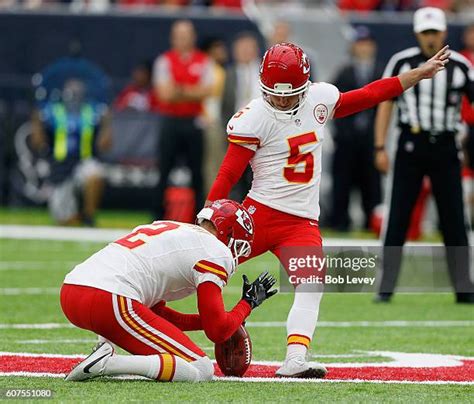
His rookie season was uneven early. He missed two of his first three attempts. Then he made 13 straight, including a game-winner with 26 seconds left against the San Diego Chargers in Week 7. He finished 2014 with 25 of 30 field goals made (83.3%) and 38 of 38 extra points, good for 113 points – the most by any rookie in Chiefs history at the time, tied with Ryan Succop’s 2009 record.
2015 was his best season by volume. He made a career-high seven field goals in a single game against the Cincinnati Bengals on October 4. He also connected on six extra points against Detroit in November, matching what would become a career high. The Chiefs went 11-5 that year, and Santos was a reliable piece of a good team.
His most accurate season was 2016: 31-for-35 (88.6%). He scored 129 points, his career high. There’s a good story from that September – he kicked what he thought was a 54-yard field goal against the Texans, then gave a locker-room interview believing he’d set a personal record. The official stat showed 53. The Chiefs pushed back with the league, the play was reviewed, and the NFL corrected it to 54. Santos found out two days later during media availability. “It’s exciting,” he said. “I wanted a new goal and didn’t get it originally, but now I’m smiling.”
Across his three full seasons with Kansas City, Santos converted 86 of 102 field goals – 84.3% – and was a top-10 kicker in points scored multiple times. That’s a solid NFL starter. Not elite, but solid.
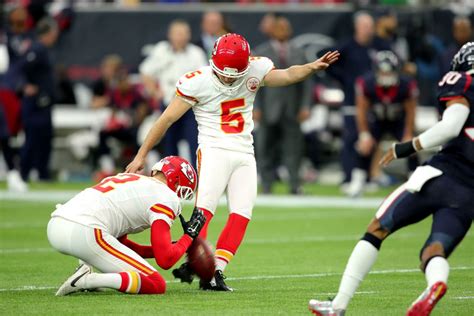
His postseason record with the Chiefs is actually perfect. In the 2015 AFC Wild Card game against the Houston Texans – a 30-0 rout – Santos went 3-for-3, including two 49-yard field goals that were, at the time, the longest in Chiefs postseason history. He also became the first Brazilian player to appear in an NFL playoff game. The following week against the Patriots, he made two more. Five playoff attempts, five makes.
The Injury That Changed Everything
The 2017 season went badly fast. Santos had signed a one-year contract worth $1.797 million in the offseason. During training camp, he felt a pull in his groin during his final warmup kick before a preseason game against the Chargers. He played through it. The pain got worse Monday. The team did imaging, found significant damage – scar tissue from a Tulane injury that had apparently never fully healed.
The Chiefs placed him on injured reserve, then waived him September 30, reaching an injury settlement. Under the terms, Santos couldn’t be re-signed for at least six weeks.
The replacement was Harrison Butker, an undrafted rookie from Georgia Tech. Butker converted 38 field goals in 13 games that season. He never gave the job back. He went on to win three Super Bowls with Kansas City and set franchise records Santos had held.
What’s odd about the whole thing – and nobody really talks about it – is that Santos wasn’t playing badly before he got hurt. His 2016 accuracy of 88.6% was a career best. He wasn’t pushed out; he was injured and replaced by someone who turned out to be generationally good. That’s a different story than “the Chiefs upgraded.” They got lucky with timing.
The Career That Kept Going
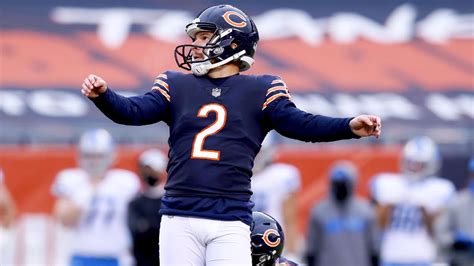
After Kansas City waived him, Santos bounced. He signed with the Bears in November 2017, then went to the Jets in 2018, got cut in August, signed with the Rams in October, was released two weeks later, signed with the Buccaneers in November 2018 and re-signed for 2019, then got cut again and spent five games with the Titans before that ended too.
That stretch – five teams in roughly two years – is the part of his career most people don’t know. He wasn’t out of the league. He was surviving it, barely.
Then 2020. The Bears signed him to the practice squad in September, moved him to the active roster six days later, and Santos had his best season in professional football. He made 30 of 32 field goals (93.8%), set a Bears record for consecutive makes in a single season with 27 straight, and was named NFC Special Teams Player of the Month for December after going 12-for-12 in the final five weeks. The Bears re-signed him to a three-year extension in March 2021.
By the end of the 2025 season, he had 266 career field goals on 312 attempts (85.3%), 346 extra points, and 1,144 career points. His postseason record remains perfect: 11-for-11.
He’s also the Bears’ all-time leader in field goal percentage. The franchise had Robbie Gould for eleven years – a genuinely beloved kicker – and Santos still posted a better percentage.
What His Chiefs Career Actually Means
Three seasons, 86 field goals, one injury, one Harrison Butker. That’s the numerical summary. The historical one is different.
Santos was the first Brazilian in NFL history. Not just the first to start or the first to earn a contract – the first to play a regular season snap, period. Brazil has roughly 215 million people and almost no structural path into American football. Santos found one through a Florida high school soccer field and a curious host brother who asked him to kick a football down a street.
His 113 rookie points stood as the most by any first-year player in Chiefs history. He held that record until the franchise moved on. He kicked the longest field goals in Chiefs postseason history at the time he made them. These aren’t invented significance – they’re documented firsts that still appear in the franchise record books.
What I find genuinely surprising about his career is that the injury to his groin in 2017 traced back to scar tissue from college. He’d been playing on it, essentially, since Tulane. The Chiefs’ training staff found this out when they imaged him after his pain worsened. Nobody caught it in three years of physical exams or in the previous offseason when he re-signed. That’s either a remarkable oversight or a very quiet injury – and the answer is probably somewhere between the two.
The Kansas City chapter ended abruptly, through no real fault of his own, and the man who replaced him became one of the most famous kickers in modern NFL history. Santos went on to have a longer, arguably better career – measured by accuracy – somewhere else. Not many people can say their replacement won three Super Bowls and they still posted a higher career field goal percentage.
Comments