
Rod Woodson with the Baltimore Ravens: The Chapter That Finally Ended with a Ring
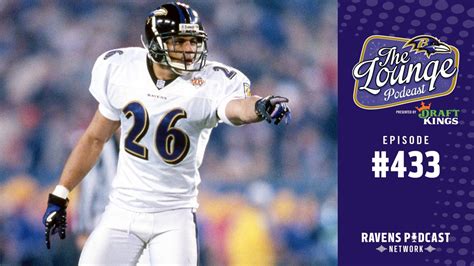
Rod Woodson spent ten years in Pittsburgh and never won a championship. He came to Baltimore in 1998 specifically to fix that. Four seasons later, he had his ring and a seat in football history that belongs to the Ravens as much as it does to the Steelers.
That’s the part people get wrong. Woodson is remembered as a Steeler – drafted 10th overall in 1987, ten seasons in black and gold, the 1993 Defensive Player of the Year. All of that is true. But the Super Bowl? That happened in Baltimore. So did some of the best football he ever played.
He Came Here for One Reason
When the Steelers released him after the 1996 season, Woodson was 31 and not hiding what he wanted. He signed with San Francisco in 1997 and said publicly he was there for one reason: to win a ring. The 49ers went 13-3. They lost in the divisional round to Green Bay. They released him.
The Ravens signed him on March 3, 1998. He was 33 years old. Baltimore had just gone 6-10. Not exactly a Super Bowl contender on paper. What they had was a young, athletic defense that needed someone to quarterback it – someone who had seen every route concept, every formation, every trick an offense could run. Woodson fit that exactly, even if the fit wasn’t obvious yet.
His first year in Baltimore was bumpy in the way most transitions are. The Ravens used him at cornerback, the position he’d played his entire career. In his second game as a Raven he had two interceptions, returning one 60 yards for a touchdown. He finished the season with six picks and two touchdown returns. The team still went 6-10. But something was being built.
The Move to Safety That Nobody Talks About Enough
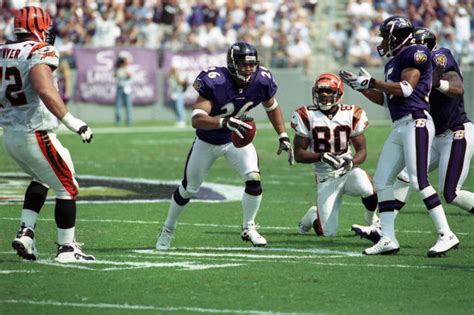
Before the 1999 season, Baltimore moved Woodson from cornerback to free safety. This is, without exaggeration, one of the best roster decisions the franchise has ever made – and it gets almost no attention compared to the Ray Lewis mythology that surrounds that defense.
In 1998, playing corner, the Ravens ranked 22nd in total defense. After the switch, they jumped to second in the league. Woodson led the entire NFL with seven interceptions in 1999, returning two for touchdowns. He was 34 years old. The team went 8-8 that year, which sounds underwhelming until you realize it was a 2-win improvement and the defense was now the engine.
The logic of the switch makes sense in retrospect. At free safety, Woodson didn’t have to run stride for stride with receivers in their 20s anymore. He could sit back, read the quarterback, and use 13 years of pattern recognition to be where the ball was going before it got there. He had always been more of a centerfielder than a press corner anyway. The Ravens just made it official.
What genuinely surprises me about this chapter is that the position switch happened at age 34, and Woodson then made four consecutive Pro Bowls. Most players at that stage are managing decline. He was producing at a level that kept him in the All-Pro conversation.
The 2000 Season and What That Defense Actually Did
The 2000 Ravens allowed 165 points over a 16-game regular season. To put that in context: the 1986 Chicago Bears, widely considered the gold standard of NFL defenses, allowed 187. Baltimore broke that record. They held opponents to 10.3 points per game. They gave up fewer than 970 total rushing yards all season. They forced 49 turnovers.
Woodson started all 16 games. He had four interceptions and two forced fumbles. He made the Pro Bowl as a second-team All-Pro. Ray Lewis got the headlines – and deserved them, Lewis was the MVP of that Super Bowl – but the secondary that Lewis was anchoring in front of was legitimate. Woodson, Chris McAlister, Duane Starks. That was a real group.
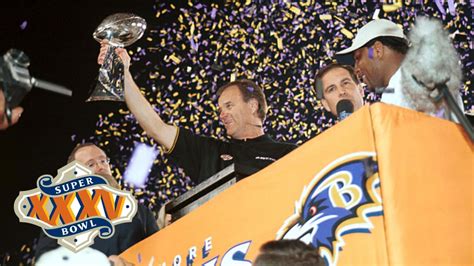
The postseason run was not close. Baltimore beat Denver 21-3. They beat Tennessee 24-10. They beat Oakland 16-3 in the AFC Championship. Then in Super Bowl XXXV on January 28, 2001, at Raymond James Stadium in Tampa, they defeated the New York Giants 34-7. The Giants scored their only offensive points on a Ron Dixon kickoff return. Otherwise Baltimore’s defense was essentially perfect for four quarters.
Woodson was 35 years old when he won that ring. He had been chasing it for 14 professional seasons.
His Four Years in Baltimore, by the Numbers
Across 64 games in Baltimore – he started all 64 – Woodson recorded 20 interceptions, five interception return touchdowns, 252 solo tackles, 54 assisted tackles, three forced fumbles, and six fumble recoveries. His 480 interception return yards with the Ravens are a number that tends to get lost inside his career totals.
The season-by-season breakdown matters because each year tells a different story. In 1998: six interceptions, two touchdowns, playing a position he’d leave after one year. In 1999: seven interceptions (NFL-best), two touchdowns, transition to safety complete. In 2000: four interceptions, two forced fumbles, Super Bowl ring. In 2001, his final year in Baltimore before signing with Oakland: three interceptions, one returned for a touchdown.
That’s not a decline arc. That’s a player who remained genuinely useful at 36.
One number worth sitting with: by the time Woodson left for Oakland after the 2001 season, he had appeared in three Super Bowls – with three different teams. Pittsburgh (XXX), Baltimore (XXXV), and later Oakland (XXXVII). Only ten players in NFL history have reached the Super Bowl three times on three separate rosters. He’s one of them.
Where the Steelers Chapter Ends and the Ravens Chapter Begins
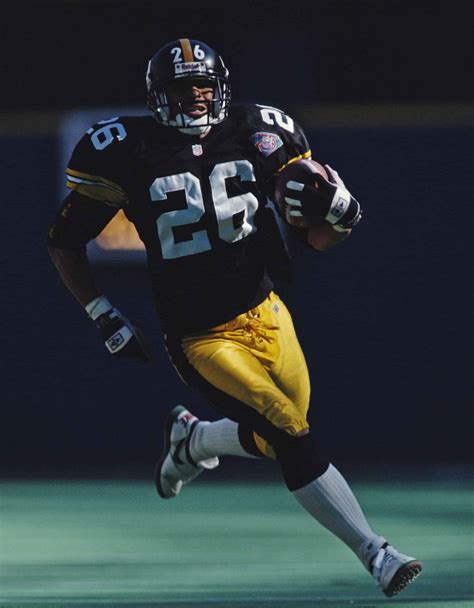
The honest version of this comparison: Woodson was a better individual player during his Pittsburgh years. He was younger, playing cornerback in his prime, putting up the numbers that would define his Hall of Fame case. The 1993 Defensive Player of the Year. The torn ACL in 1995 that he somehow came back from to play in Super Bowl XXX that same season – though he was limited, and Pittsburgh lost to Dallas 27-17.
But the Steelers never gave him a championship. Ten years, one Super Bowl appearance, no ring.
Dan Rooney said more than once that releasing Woodson was among his biggest regrets as the team’s owner. That quote floats around Ravens message boards for obvious reasons. Rooney was right that it was a mistake. What he probably didn’t anticipate was that Woodson would then go to Baltimore and do exactly what he’d been unable to do in Pittsburgh.
The Ravens years don’t match the raw individual stats from Pittsburgh. They don’t need to. A second-team All-Pro at 35, four Pro Bowl trips, and the franchise’s first Super Bowl title is its own argument.
Woodson and the Ravens After He Stopped Playing
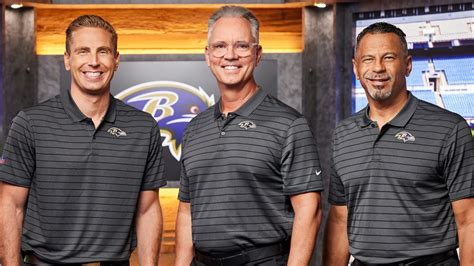
Woodson retired after the 2003 season with Oakland. He spent years at NFL Network, then the Big Ten Network, then Westwood One’s gameday coverage. In 2022, Baltimore brought him back in a different capacity.
The Ravens announced in July 2022 that Woodson would join the gameday radio broadcast team as color commentator alongside play-by-play voice Gerry Sandusky on WBAL 1090 AM and 98 Rock WIYY. He had handled Baltimore’s 2021 preseason coverage before getting the full-season role. As of 2025, he’s still in that booth.
His own words on taking the job: “Being a part of the Ravens’ gameday broadcast team is a blessing. To be back with the team that I won my only Super Bowl with – the team’s first Super Bowl in franchise history – will be fun.”
That phrasing – “my only Super Bowl” – is worth noting. Not “one of my Super Bowls.” Woodson appeared in three. He won one. Baltimore is where it happened.
He also briefly coached the XFL’s Vegas Vipers as head coach in 2023 before parting ways with the team after one season. The broadcasting role with the Ravens continued regardless.
The Hall of Fame Case and What Baltimore Added to It
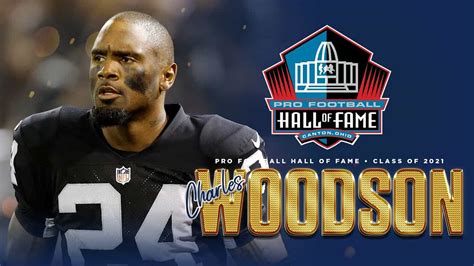
Woodson went into Canton in 2009 as a first-ballot inductee. That distinction – first ballot – tells you everything about where the voters put him relative to his position’s history.
The records he holds: 12 interception returns for touchdowns, the most in NFL history. His 71 career interceptions rank third all-time. His 1,483 interception return yards were a league record when he retired. His 32 fumble recoveries by a defensive player is also an NFL record. He made 11 Pro Bowls. He’s on the NFL’s 75th Anniversary Team.
Twenty of those 71 interceptions came in Baltimore. Five of those 12 touchdown returns came in Baltimore. Four of those 11 Pro Bowl trips came in Baltimore. The Hall of Fame case was built across his whole career, but Baltimore contributed roughly 28% of his interception total and almost half of his touchdown returns. That’s not a footnote. That’s a chapter.
The contradiction worth acknowledging: Woodson is inducted as a Pittsburgh Steeler. His bust is associated with Pittsburgh’s legacy. But the Super Bowl ring that validated the career – that came from Baltimore. Those two things coexist without resolving neatly, and they probably shouldn’t.
Comments