
Bryan Braman – From Park Benches in Idaho to a Super Bowl Ring in Philadelphia
Bryan Braman won Super Bowl LII with the Philadelphia Eagles on February 4, 2018. He was 30 years old, standing on the field at U.S. Bank Stadium in Minneapolis after a 41–33 win over the New England Patriots, holding the ring he never should have had – not statistically, not according to any draft board, not according to the system that passed on him entirely in 2011. He went undrafted. He’d failed out of college. At one point, between his years at the University of Idaho and Long Beach City College, he was sleeping on park benches next to his dog, laying concrete for a railroad tie company at just above minimum wage in Idaho.
Growing Up in Hillyard
Spokane’s Hillyard neighborhood, where Braman was born on May 4, 1987, is the kind of place that doesn’t produce a lot of NFL players. His father left early. His mother, Tina Braman-Fields, raised Bryan and his younger sister alone, and the family spent stretches of his childhood and teen years without stable housing.
Braman attended Shadle Park High School, where he ran track before anyone talked him into trying football. By then he was already 230 pounds and 6 feet 5 inches – a size he carried through his entire pro career. His maternal grandfather, Ivan Cecil Braman, stood 7 feet 4 inches and weighed 365 pounds. His mother was a sprinting standout in high school. The athleticism was there. What came later was earning the chance to use it.

Three Colleges, One Suspension, Zero Draft Picks
He accepted an offer to play at the University of Idaho in 2006 and failed out quickly. He later said he was dealing with depression during that time. After Idaho, he stayed in the state, laid concrete, and slept near his dog on park benches some nights.
Long Beach City College gave him a second shot. The community college in Southern California let him play football again, and he was good enough that Division II programs came calling. He picked West Texas A&M over offers from Central Washington and Midwestern State. His team won the 2009 Lone Star Conference South Championship.
Then, five games into his senior season, he was suspended. Police found psilocybin in a house connected to him through a rental agreement. Braman maintained he was living elsewhere at the time. He pleaded guilty in June 2011, received one year of deferred adjudication and a $2,000 fine. Thirty days later, the prosecutor terminated the probation and dismissed the case entirely. That detail tends to get compressed into a single vague line in retrospective profiles, which understates how close it came to ending things before the NFL ever started.
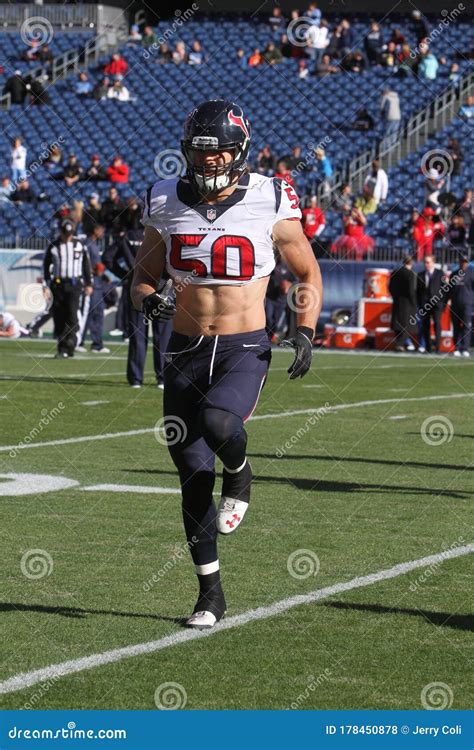
He went undrafted in 2011. At his Pro Day he measured 6 feet 4 and 7/8 inches, 241 pounds, with a 39.5-inch vertical jump and 21 bench press reps. The Houston Texans signed him as a free agent anyway.
Houston Texans: The Helmet Play
Braman became a fan favorite in Houston faster than almost any undrafted rookie on a special teams unit reasonably could. In the final regular season game of 2011, against the Tennessee Titans, his helmet came off mid-play. He kept running. He chased down punt returner Marc Mariani and made the tackle – helmetless, at full speed, in front of a stadium full of people. The video circulated widely. It was the kind of play that can’t be coached or scripted, and it told you exactly what kind of player Braman was going to be.
In 2012, he was named a Pro Bowl alternate. He also blocked multiple punts during his three seasons in Houston, including one he recovered himself for a touchdown against the Indianapolis Colts. His career with the Texans established him as one of the better special teams players in the league – not a household name, not a starter, but the kind of guy who changes field position and wins games in ways that don’t show up on conventional box scores.
Four Seasons in Philadelphia
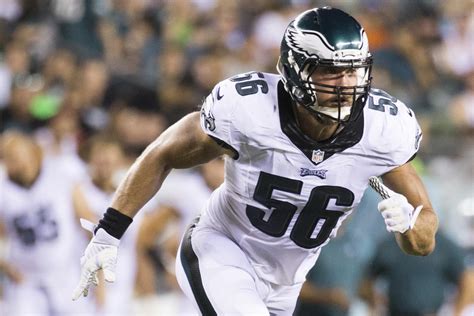
On March 12, 2014, the Eagles signed Braman to a two-year, $3.15 million contract. He stayed for four seasons. His role didn’t change much – special teams core, reliable, physical, the type of player who shows up for every practice and is impossible to cut because he does his job better than almost anyone they could replace him with.
In August 2017, the New Orleans Saints signed him. He lasted ten days before going on injured reserve and was released September 9. On December 12, 2017, Philadelphia brought him back.
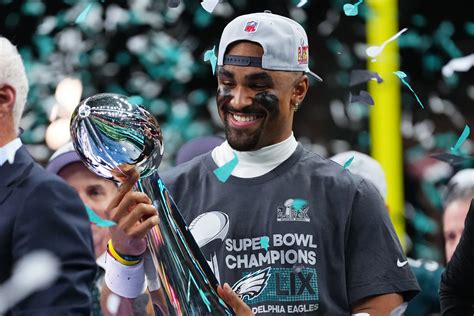
Six weeks later, he blocked a punt from Atlanta Falcons punter Matt Bosher in the Divisional Round. The Eagles won that game 15–10. They went on to the NFC Championship, then Super Bowl LII. Before the game in Minneapolis, Braman gave a speech in the locker room. The Eagles beat the Patriots 41–33. Braman recorded one tackle in the game. It was the last NFL game he ever played.
The Numbers, In Full
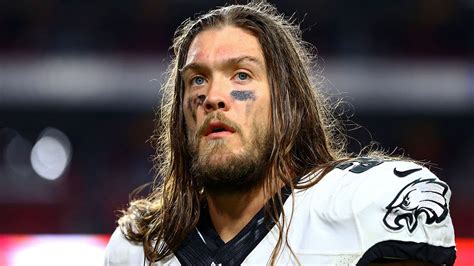
97 career games. 56 tackles. 1.5 sacks. 2 fumble recoveries. 1 defensive touchdown. 1 Super Bowl ring. Those are Bryan Braman’s NFL statistics. Taken in isolation, they look like the résumé of a fringe roster player who hung around longer than expected. Taken in context, they represent seven seasons of doing one of the hardest jobs in professional football – covering kicks, blocking punts, running downfield against players who are trying to decapitate you – with enough consistency and enough skill that three franchises kept signing him.
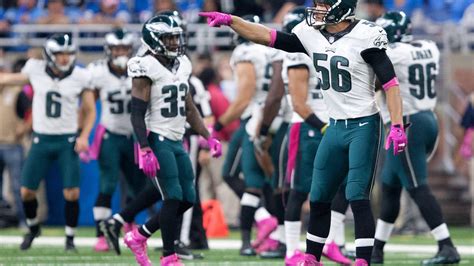
His jersey numbers were 50 and 56. He wore 56 for most of his time in Philadelphia.
The Cancer Diagnosis and Final Months
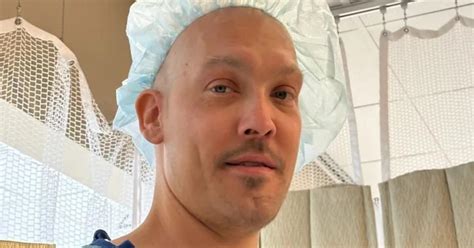
In February 2025, Braman was diagnosed with a rare and aggressive form of brain cancer. His agent, Sean Stellato, described it publicly as “a very rare” disease that moved fast. A GoFundMe was set up by his friend William Jones on February 15, 2025, initially to raise $15,000 for housing costs near his treatment center in Seattle – his insurance covered the medical procedures but not the lodging. The goal was later raised to $25,000.
The fundraiser raised $88,000 before he died.
J.J. Watt, Braman’s former teammate on the Houston Texans, donated $10,000. When Braman passed, Watt posted publicly: “Rest in Peace brother. Gone far too soon.” Braman had undergone multiple surgeries in Seattle and received CAR-T cell therapy, a treatment that reprograms the patient’s own immune cells to target the cancer. A June 2025 update to the GoFundMe noted he had received the therapy and returned home. The cancer kept moving.
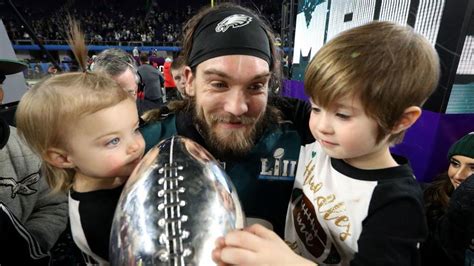
Braman died on July 16–17, 2025, in Seattle. He was 38. His daughters, Blakely (11) and Harlowe (8), were with him in his final weeks. Stellato said they spent that time reading stories together, sitting close, finding whatever quiet comfort was available. What strikes me about that detail is how ordinary it is – and how much weight it carries for two young girls who will grow up knowing their father died fighting as hard after football as he did during it.
What the Eagles and Texans Said
The Philadelphia Eagles released a statement calling Braman a loyal teammate, a community supporter, and a valued member of the Super Bowl LII roster. The statement described him specifically as a devoted father. The Houston Texans posted condolences on social media shortly after. Long Beach City College, where Braman played before West Texas A&M, released its own statement noting his strength and spirit. The local Long Beach football community, which had followed his career since his LBCC days, marked his death as a significant loss.
Watt’s $10,000 donation before any of this happened – before the tributes, before the statements – was the clearest signal of what Braman meant to people who actually played alongside him.
His Daughters, His Legacy
Blakely is 11. Harlowe is 8. They will grow up with a Super Bowl ring that belongs to their father, who once slept on a park bench in Idaho and worked concrete for $7 an hour before the NFL gave him a shot he used better than most players who had every advantage he didn’t.
The helmetless tackle against Marc Mariani is on YouTube. The blocked punt against Matt Bosher in the 2017 playoffs lives in Eagles postseason history. The locker room speech before Super Bowl LII was apparently something – no transcript exists publicly, but multiple accounts confirm it happened and that it mattered. That’s its own kind of legacy: the thing people remember even when no one filmed it.
Braman was the kind of player – and the research on this is consistent across the sources that covered him – who teammates noticed not because of production but because of presence. The Eagles’ statement after his death used the word “devoted” twice in two sentences. That’s not an accident of drafting. It’s the word that kept coming back to people who knew him.
He played 97 games in the NFL. He never started. He won a championship. He went from concrete laying and park benches to a $3.15 million contract and a Super Bowl ring, and then he fought a brain cancer diagnosis at 38 with the same refusal to quit that made him impossible to cut from three different rosters. That’s the whole story, more or less. There’s not a clean lesson in it, but there’s something real.
Comments